
news

News, advice, and stories to keep you in the loop with everything we’re working on.

What to Look for in a Property Services Partner for Your School or Estate

Source: Dupe Choosing a property services partner is one of the most consequential operational decisions a school bursar or estates manager will make. Get it wrong, and you are managing reactive crises, chasing multiple contractors, and dealing with compliance gaps that expose the school to real risk. Get it right, and it becomes one of the quietest, most reliable parts of your operation. The problem is that most schools do not evaluate providers with a clear framework. They compare day rates, read a few testimonials, and go with whoever seems competent. That process misses the factors that actually determine whether


The Hidden Cost of Using Multiple Trades Across a Property Portfolio

Source: Lummi Most property managers know that managing multiple contractors is inefficient. What they underestimate is how expensive that inefficiency actually is. The direct costs – labour, materials, callout fees – are visible and budgeted. The indirect costs are not. They accumulate quietly across coordination time, compliance failures, emergency premiums, and reporting overhead, rarely appearing as a single line item. But when you add them up across a portfolio, they represent a significant and largely avoidable drain on both time and budget. This piece breaks down where those costs come from and what a different model looks like. The Coordination

Fire Door Compliance: What Schools and Property Managers Need to Know

Source: Lummi Fire door compliance is one of the most scrutinised areas of fire safety law in the UK – and one of the most commonly mismanaged. For schools, managed estates, and commercial portfolios, the consequences go well beyond a fine. They include enforcement notices, building closures, and in serious cases, criminal prosecution of the Responsible Person. This is not a box-ticking exercise. It is a legal duty with real personal liability. The Legal Framework Fire door compliance in non-domestic premises – including all schools – rests on three pieces of legislation. The Regulatory Reform (Fire Safety) Order 2005 (FSO

Planned vs Reactive Maintenance: Which Model Saves More Over Time?

Source: HSG Website Most property managers and estates teams already know the answer in theory. Planned maintenance is more cost-effective long term. Reactive maintenance is expensive, unpredictable, and compounds over time. The problem is that reactive maintenance often feels cheaper in the short term – the upfront costs of a planned programme are visible, while the costs of not having one are scattered across emergency invoices, compliance gaps, and disrupted operations that never appear as a single line item. Here is what the data actually shows, where the real cost difference sits, and when reactive still makes sense. What Each

How Centralised Account Management Changes How Property Services Are Delivered

Source: Lummi Ask most property managers what would make the biggest difference to how they work, and the answer is rarely a new contractor or a better rate card. It is time – specifically, the time lost coordinating trades, chasing updates, resolving scheduling conflicts, and assembling compliance records from half a dozen sources. A dedicated account manager does not just reduce that friction. It structurally removes most of it. Here is what that looks like in practice. The Default Model and Why It Fails Without centralised account management, property services operate through a series of disconnected relationships. You have a

Preparing Your Heating System for the Commercial Year Ahead

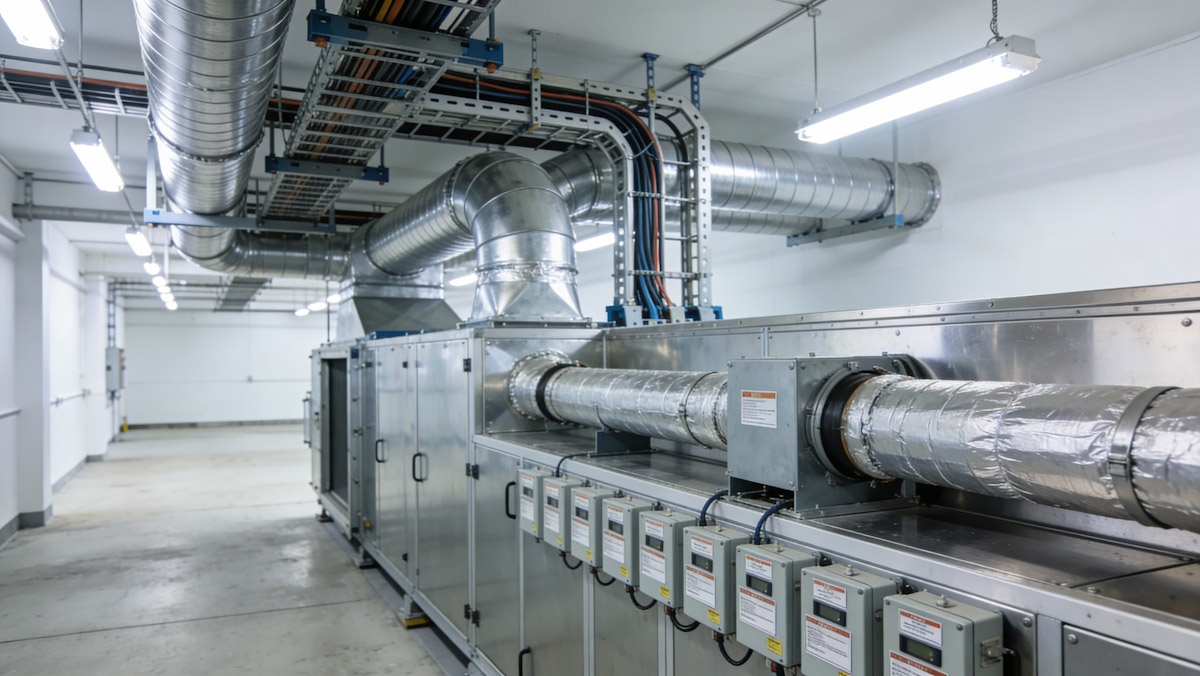
Source: Lummi A commercial heating failure in January is not just an operational inconvenience. For a school, it can mean closure. For a managed estate, it means complaints, disruption, and potential legal exposure. For a commercial property, the costs compound quickly. Most of those failures are preventable. They happen not because commercial heating systems are unreliable, but because they are not maintained on a schedule that gives problems a chance to surface before they become critical. Here is what a proper commercial service involves, when to book it, and what it costs when you do – versus when you do